Healthcare profession
What is osteopathy?
Osteopathy is a regulated healthcare profession recognised under DPR n.131/2021, focused on the prevention, assessment and treatment of body dysfunctions through a manual, holistic and person-centred approach.
A holistic approach to health
At the core of osteopathic practice is an integrated vision of the individual: treatment does not focus exclusively on the symptom, but seeks the possible functional and biomechanical alterations that may have contributed to its onset.
Through specific manual techniques, osteopathy aims to improve tissue mobility, support the functional balance of the body and sustain the physiological processes of adaptation and self-regulation.
What the osteopath does (and doesn't do)
The osteopath addresses somatic, musculoskeletal, fascial, visceral and craniosacral dysfunctions through a manual approach complementary to conventional medical care.
The osteopath does not replace the physician and is not involved in the diagnosis or treatment of organic, degenerative, infectious, genetic pathologies or emergency conditions.
Who it is for
For every age, a tailored treatment.
Osteopathic treatment is suitable for people of all ages and can be adapted to the specific needs of different life stages.
Newborns
0–12 months
Gentle support in the first months of life, accompanying the newborn through their first adaptations with a soft, respectful approach centred on the baby's comfort.
Children
1–14 years
Supporting growth through balance, movement and harmonious development, with a personalised approach integrated with other healthcare professionals.
Pregnancy
Supporting the journey to birth
Osteopathic support during the physiological changes of pregnancy, to promote comfort, postural adaptation and wellbeing throughout each trimester.
Post-partum
Functional recovery
A dedicated pathway to recovery and rebalancing of the body after birth, helping women regain stability, movement and wellbeing.
Adults & athletes
Pain, performance, recovery
Osteopathic treatments dedicated to pain reduction, musculoskeletal wellbeing and improving the quality of movement and athletic performance.
Have questions?
Get in touch and we'll assess together whether osteopathy is the right choice for you.
Contact me →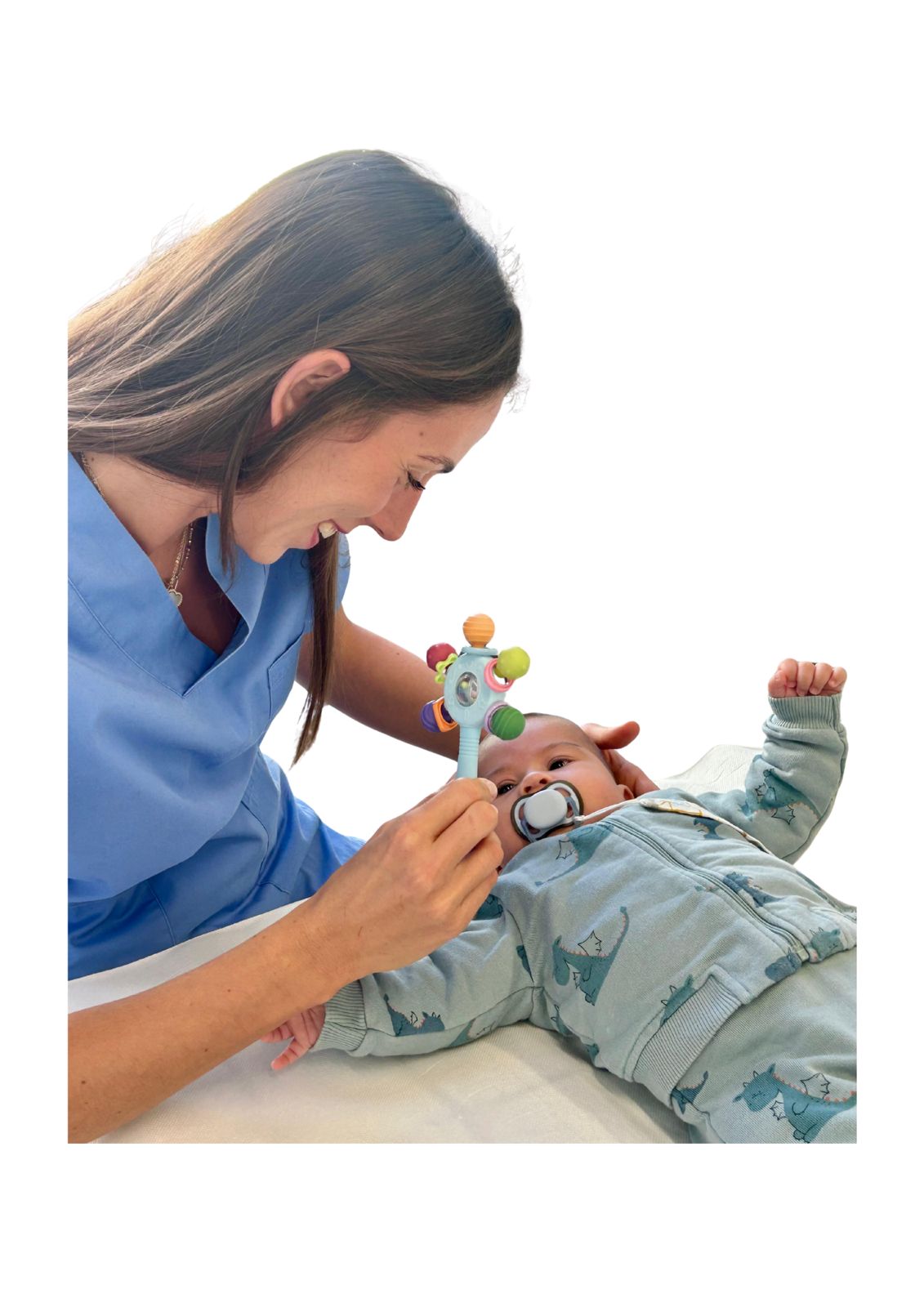
01
Newborns
In newborns, osteopathy uses gentle, non-invasive manual techniques adapted to the physiology of the first months of life. The aim is to promote comfort, freedom of movement and more harmonious postural and functional adaptation, always integrated with the paediatrician and other healthcare professionals.
It may be helpful in cases of
- Postural asymmetries and newborn motor development
- Clubfoot and lower limb asymmetries
- Congenital myogenic torticollis
- Positional plagiocephaly and cranial deformations
- Gastroesophageal reflux and frequent regurgitation
- Colic, constipation and infant dyschezia
- Feeding and breastfeeding difficulties
- Irritability and sleep difficulties
02
Children
In children, osteopathy supports the different stages of growth by assessing posture, movement, coordination, breathing and adaptations related to development, sport or trauma.
It may be helpful in cases of
- Scoliotic postures and scoliosis (multidisciplinary approach)
- Muscular and joint pain
- Postural stiffness or asymmetries
- Altered foot posture
- Motor or coordination difficulties
- Poor posture maintained over time
- Pain during or after sport
- Growing pains
- Myotensive headache
- Tension related to orthodontic appliances
03
Pregnancy
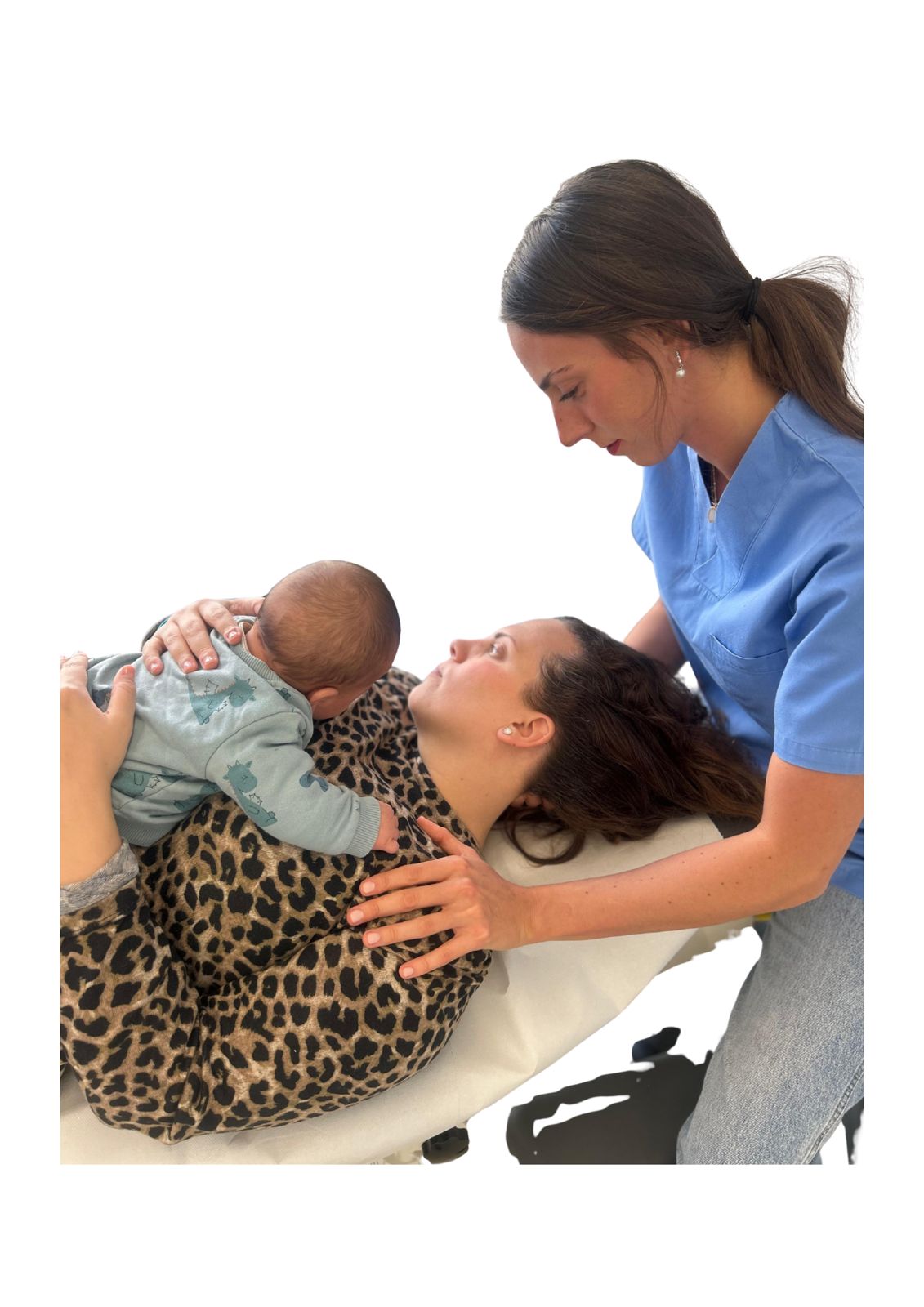
During pregnancy, osteopathy supports the biomechanical, postural and respiratory changes the woman's body undergoes throughout each trimester.
It may be helpful in cases of
- Low back pain and pelvic girdle pain
- Postural changes
- Pelvic floor pain, stiffness and dysfunction
- Sciatica and pregnancy-related lumbosciatica
- Rib and diaphragmatic pain, mechanical breathing difficulties
- Reflux and digestive difficulties
04
Post-partum
The post-partum period is an important phase of recovery and biomechanical readaptation. Osteopathy can support the woman's recovery after vaginal birth or caesarean section.
It may be helpful in cases of
- Low back pain, pelvic, sacral and coccygeal pain
- Pelvic floor functional recovery
- Caesarean section scar
- Abdominal diastasis recovery
- Cervical and thoracic tension
- Postural recovery and return to physical activity
05
Adults & athletes
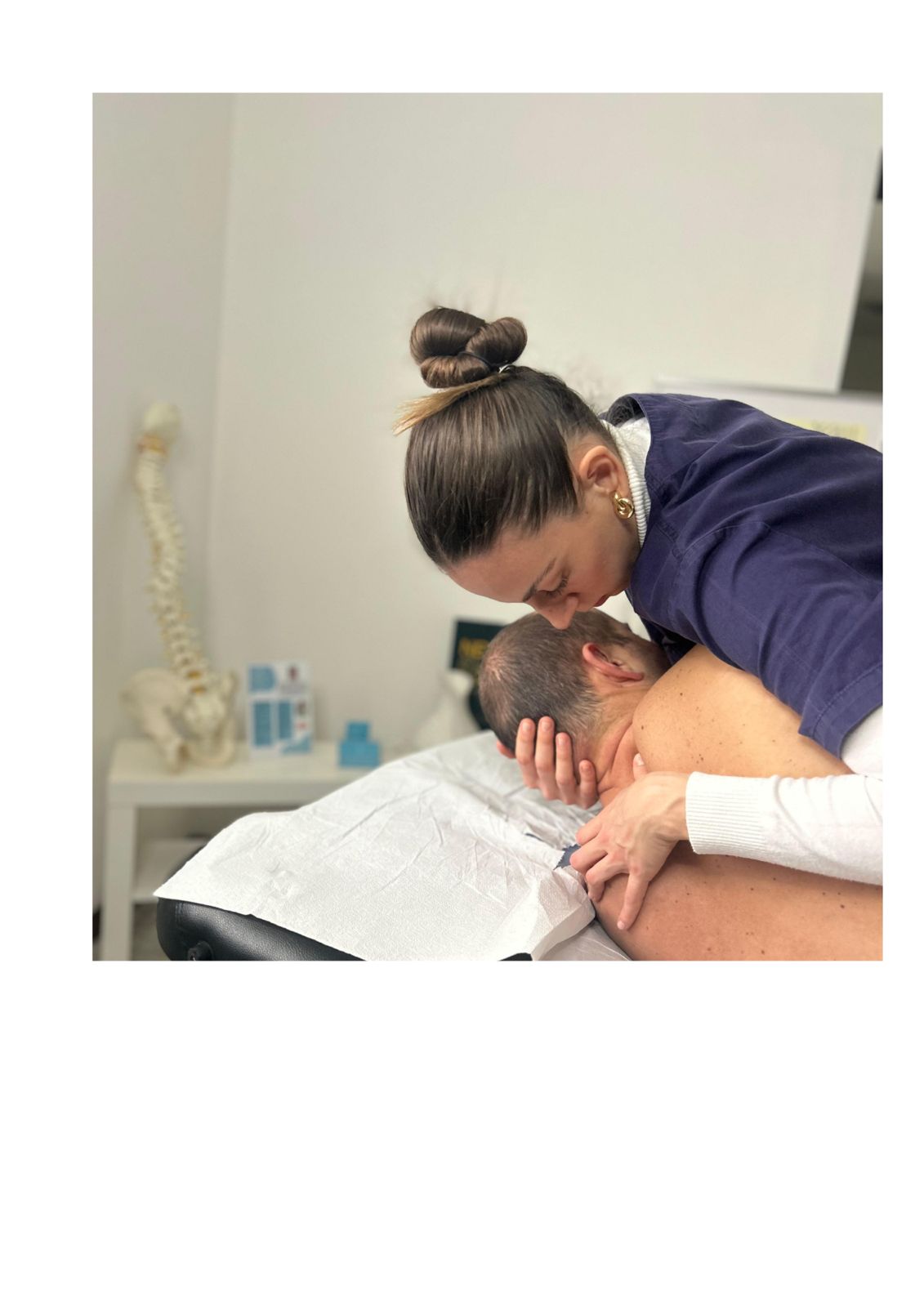
In adults and athletes, osteopathy addresses musculoskeletal pain management, functional recovery and movement optimisation.
It may be helpful in cases of
- Neck pain and cervicobrachialgia
- Low back pain and lumbosciatica
- Upper back pain and thoracic stiffness
- Myotensive headache
- Joint and muscular pain
- Functional overload and injury prevention in athletes
- Myofascial pain and stiffness
- Gradual return to sport after injury
- Post-traumatic recovery (in collaboration with other professionals)
Want to know how the first appointment works?
Discover step by step what happens during your first visit.